

Paris Is Actually Burning
What Europe's heatwave is reminding us about our relationship with the Earth.

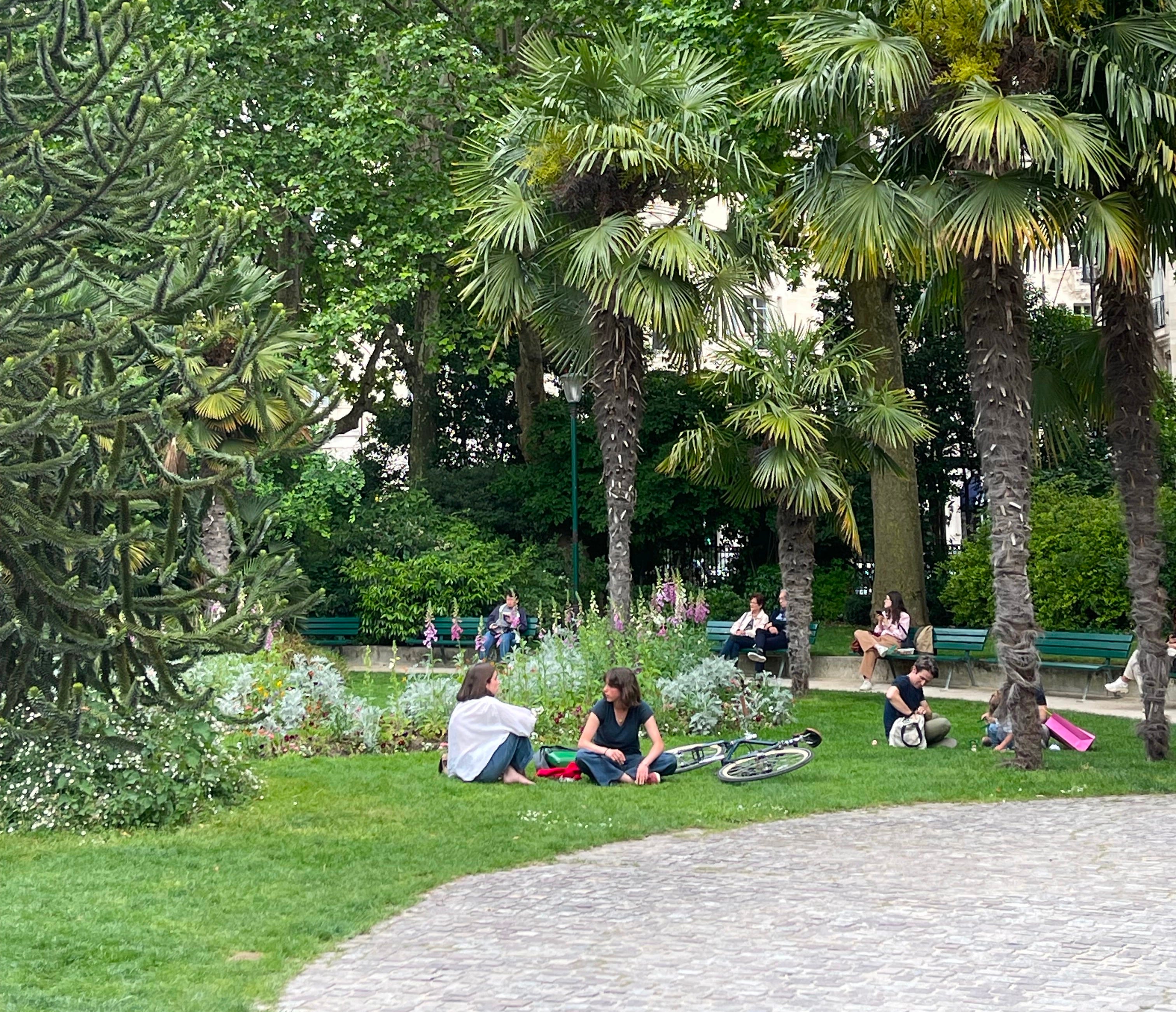
Earlier this week, my sister texted me from Paris.
It’s unbearably hot.
At first, I didn’t think much of it. Europe gets hot summers.
But as the week went on, I realized this wasn’t just another heatwave.
Schools across Europe were closing because classrooms were too hot to learn in. Trains slowed as railway tracks expanded under extreme temperatures. Hospitals filled with people suffering from heat-related illnesses. Wildfire warnings spread across multiple countries. Entire cities were told to stay indoors during the hottest hours of the day.
Scientists have said this kind of heatwave would have been virtually impossible without human-caused climate change.
For a long time, climate change felt like something that belonged to the future, something our children or grandchildren would have to figure out. But it isn’t happening somewhere else anymore. It’s happening now. And perhaps that’s why this moment feels different. Not because the science has suddenly changed, but because our relationship with the Earth is becoming increasingly impossible to ignore.
We are part of nature
Somewhere along the way, we forgot that we are a part of nature.
We began treating it as something separate from us—something to build over, extract from, and consume. Nature became somewhere we escaped to on weekends instead of the living system that makes our lives possible.
But the truth is that every breath we take depends on healthy forests and oceans. Every meal beings with healthy, fertile soil. Every glass of water depends on rivers, rainfall, and thriving ecosystems.
The Earth isn’t just a place we live, it’s what allows us to live.
And maybe that’s why the climate crisis feels so overwhelming. It goes beyond asking us to rethink our energy systems and our transportation choices. It’s asking us to rethink our relationship with the natural world.
Climate change isn’t only an environmental crisis
It’s a relationship crisis.
When we constantly take without giving back, eventually something begins to break down.
The same is true for the natural world.
For generations, we’ve measured success by how quickly we could produce, consume, build, and grow. Convenience became the goal. But nature has always moved at a different pace. Trees don’t rush, seasons don’t compete, and rivers don’t force themselves downstream. Everything follows a rhythm.
Perhaps we have been trying to live outside of it for too long.
So what can we actually do?
It’s easy to feel powerless when a problem feels this big, but meaningful change has never depended on one person doing everything perfectly. It begins with enough people seeing the world a little differently. When we remember that we’re part of nature, not separate from it, the way we consume, travel, eat, and care for our communities begins to change naturally.
This isn’t about guilt. It’s about a relationship.
It’s about protecting what we feel connected to.
Buy less and buy better
We don’t need more things; we need more appreciation for the things we already have. Before bringing something new into your life, pause. Ask yourself if it’s truly something you’ll value, care for, and keep. Buy fewer things that last longer, repair what you can, and as much as possible, support businesses whose values reflect your own. Let your purchases reflect the kind of world you want to live in.
Eat closer to home
When you can, choose foods that are grown near you and in season. Visit a farmers’ market. Cook what’s naturally available instead of expecting every fruit and vegetable all year round. This isn’t about perfection; it’s about remembering that every meal is a relationship with the Earth, one we have the opportunity to honour every single day.
Waste less
Treat food as something sacred. Consider the time, energy, soil, sunlight, and human hands that brought it to your plate. Cook only what you will realistically eat. Compost. Get creative with leftovers. Share extras. Gratitude has a way of naturally changing how we consume.
Slow down
Walk more. Ride your bike. Take the train when it makes sense. The most sustainable way to move through the world is often the most beautiful. You notice more when you aren’t rushing from one place to the next. It’s difficult to care for a world you rarely stop long enough to notice.
Use your voice
Vote for leaders who think beyond the next election cycle. Support businesses that are investing in a healthier future. Talk about climate change with curiosity instead of fear. Individual action may seem small, but culture is built through conversation, habits, and choices. Our actions ripple outward in ways we’ll never fully see.
The bigger picture
This moment is a warning, but it’s also an invitation to slow down, to pay attention, and to rebuild a relationship with the natural world that has been sustaining us all along. We won’t solve climate change through individual actions alone, but every choice we make reflects the relationship we have with the world around us.
Perhaps meaningful change doesn’t begin with fear or perfection after all. Maybe it begins with remembering that we were never separate from the Earth in the first place.
I was in Paris and London at the start of the heat wave, and it was honestly a heat I had never experienced before; and I grew up in Arizona.
Something that struck me through the conversations online about how Paris and London should “just get AC” is that it’s a resolution acting as a bandaid. I zoomed out a bit more and also realized that countries within Europe typically take climate change seriously, and have protocol in place to minimize the impact had on nature.
The US, currently within government but also historically has not taken the conversation of climate change seriously. We are in our cocoons of AC and iced beverages that blind ourselves of the reality that others are suffering because of the actions of humans throughout history.